

August 04, 2025
International Mother Language Day 1952: A Legacy Written in Blood

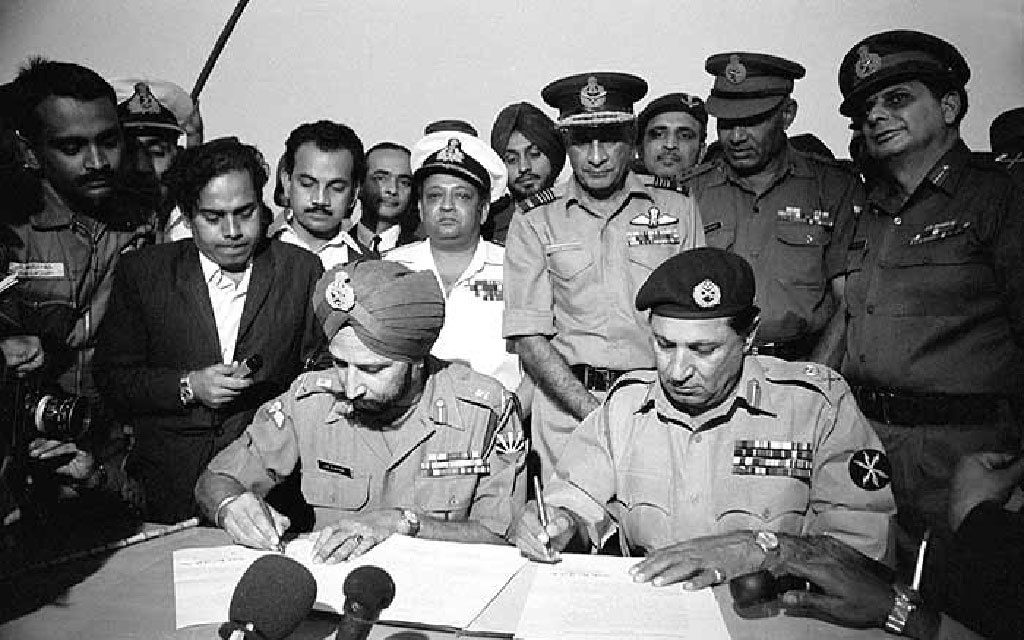
December 16, 1971 is one of the most glorious and emotional days in the history of Bangladesh. Known as Victory Day, this date marks the triumphant end of the Liberation War and the official emergence of Bangladesh as an independent country.
It is a day of pride, remembrance, and deep gratitude for the sacrifices that made freedom possible.
The road to December 16 was paved with struggle and sacrifice. After years of political, economic, and cultural discrimination by Pakistan, the people of East Pakistan demanded their democratic rights.
When the Awami League, led by Sheikh Mujibur Rahman, won a majority in the 1970 general election, power was not transferred. Instead, on March 25, 1971, the Pakistani military launched a brutal crackdown.
This marked the beginning of the nine-month Liberation War of 1971.
Throughout 1971, the brave freedom fighters known as the Mukti Bahini, along with ordinary citizens, fought courageously against the occupying forces. Millions of refugees fled to neighboring India, which later joined the war in support of Bangladesh.
By December, the Pakistani forces were surrounded and defeated. On December 16, 1971, the Pakistani army formally surrendered in Dhaka to the joint forces of the Indian Army and Mukti Bahini.
The surrender took place at the historic Ramna Race Course (now known as Suhrawardy Udyan).
This moment signified:
The end of Pakistani rule in East Pakistan
The victory of the Bangladeshi people
The birth of a new sovereign nation
Victory came at a heartbreaking price. Millions of people were displaced, and countless civilians lost their lives. Intellectuals, students, women, and freedom fighters endured unimaginable suffering.
December 16 is not only a celebration—it is also a day to remember the martyrs whose sacrifices made independence possible.
Every year in Bangladesh:
The national flag is raised across the country
Wreaths are laid at the National Martyrs' Memorial in Savar
Parades and cultural programs are organized
The nation observes moments of silence to honor the fallen
The spirit of Victory Day fills the country with patriotism and unity.
December 16, 1971, symbolizes:
The triumph of justice over oppression
The power of unity and resilience
The determination of a people to control their own destiny
It reminds future generations that freedom is earned through courage and sacrifice.
Victory Day is more than a historical event—it is the heartbeat of Bangladesh. The red and green flag that flies high each December 16 represents the blood of the martyrs and the hope of a free nation.
As Bangladesh moves forward, remembering the spirit of 1971 ensures that the values of independence, democracy, and national pride continue to guide the nation.
November 05, 2024
Leave A Comment